
What if I told you that you could reduce your chances of developing diabetes, heart disease, back pain, depression, and many other chronic illnesses without splurging on fancy equipment or expensive gym memberships? Sounds like a dream, right? Read on to find out how!
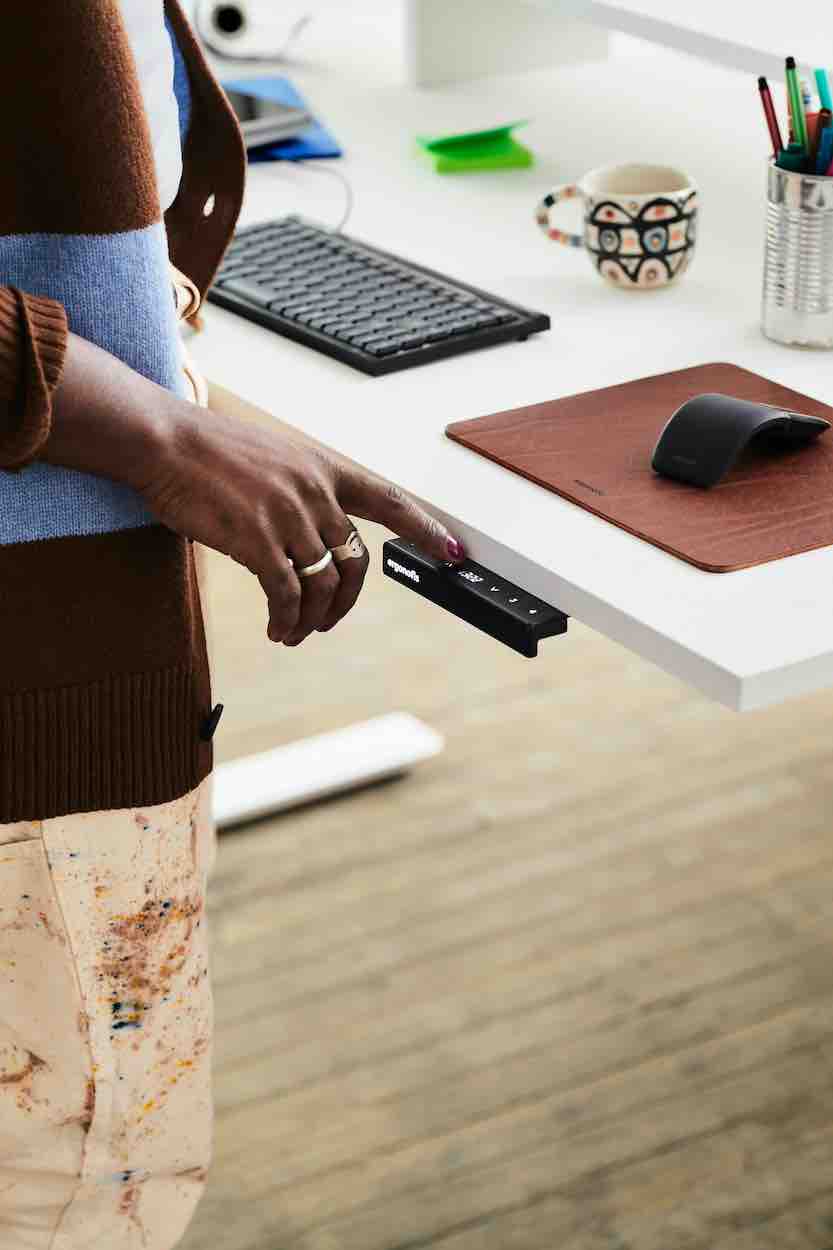
Our bodies are designed to move, and they perform best when they do. While we sleep, our bodies recharge, but when we’re awake, we need to stay active. Aim for 150-300 minutes of aerobic exercise each week – that’s just 22-43 minutes per day of something that gets you huffing and puffing. But don’t stop there; keep moving throughout the day. Sitting or lying (when awake) for extended periods of time is called ‘sedentary behaviour’. The longer you sit, the worse it is for you.
Even small movements engage your muscles, burn calories, and keep your blood flowing. This helps reduce blood sugar levels and keeps your muscles strong enough to support your spine.
What is sedentary behaviour?
Sedentary behaviour is defined as any waking behaviour characterized by an energy expenditure of ?1.5 metabolic equivalents (METs) while in a sitting, reclining or lying posture (Bames et al., 2012, 540-542).
In simple terms – moving matters! If you’re awake, make it a point to move … and move often.
Health Benefits – A Quick Rundown
Staying active and cutting down on sitting time can really lower your chances of getting chronic (long term) diseases like type 2 diabetes, heart disease, and certain cancers (Beale et al., 2020; Leitzmann et al., 2017; Mainsbridge et al., 2016). Even simple activities like standing or slow walking help your body burn more calories and keep your blood sugar levels in check. Regular movement also keeps your heart healthy by improving blood flow.
When it comes to weight management, being active can help control hunger and increase energy use. Breaking up sitting time can also improve your body composition and keep your muscles and joints healthy (Mainsbridge et al., 2016). Plus, staying active is linked to living longer and healthier, with even small movements making a difference in your overall well-being.
On the mental health side, physical activity can lower the risk of depression and anxiety, improve brain function, and boost your mood and quality of life (Leitzmann et al., 2017; Magnon et al., 2018). Being active also helps with memory, thinking skills, and self-esteem (Leitzmann et al., 2017).
Is that a fact?
Some people misinterpret recommendations to avoid sedentary behaviour to mean that you need to stand for hours each day. While standing can certainly be beneficial (especially if it’s on a wobbly ‘balance pad / cushion’), standing for excessively long periods of time is also not good for you and can result in lower back pain and, ironically, cardiovascular issues (Biddle et al., 2019). The secret is to just keep moving.
Practical Tips
Stand up and take a quick walk to grab a drink, pedal on a stationary bike while streaming your favorite show, or even try some pen-spinning through meetings where your active engagement is not required. Every little bit helps!
Summary and next steps
In conclusion, sitting for long periods can seriously impact your health, increasing the risk of chronic diseases and even mortality. So, remember to keep moving and break up those sitting sessions for a happier, healthier you!
Can you think of two or three simple ways that you can reduce your sedentary behaviour? Remember – something is always better than nothing!
References
Bames, J., Behrens, T. K., Benden, M. E., Biddle, S., Bond, D., Brassard, P., Brown, H., Carr, L., Carson, V., Chaput, J., & Christian, H. (2012). Standardized use of the terms” sedentary” and” sedentary behaviours”. Applied Physiology Nutrition and Metabolism-Physiologie Appliquee Nutrition Et Metabolisme, (37), 540-542. https://cdnsciencepub.com/doi/pdf/10.1139/h2012-024
Beale, C., Rauff, E. L., O’Brien, W. J., Shultz, S. P., Fink, P. W., & Kruger, R. (2020). Are all Sedentary Behaviors Equal? An Examination of Sedentary Behavior and Associations with Indicators of Disease Risk Factors in Women. International journal of environmental research and public health, 18(8). NIH. https://doi.org/10.3390/ijerph17082643
Biddle, S. J., Bennie, J., De Cocker,, K., Dunstan, D., Gardiner, P. A., Healy, G. N., Lynch, B., Owen, N., Brakenridge, C., Brown, W., Buman, M., Clark, B., Dohrn, I. M., Duncan, M., Gilson, N., Kolbe- Alexander,, T., Pavey, T., Reid, N., Vandelanotte, C., … Vincent, G. E. (2019). Controversies in the Science of Sedentary Behaviour and Health: Insights, Perspectives and Future Directions from the 2018 Queensland Sedentary Behaviour Think Tank. International Journal of Environmental Research and Public Health, 16(23). 10.3390/ijerph16234762
Leitzmann, M. F., Jochem, C., & Schmid, D. (Eds.). (2017). Sedentary Behaviour Epidemiology. Springer International Publishing.
Magnon, V., Vallet, G. T. T., & Auxiette, C. (2018). Sedentary Behavior at Work and Cognitive Functioning: A Systematic Review. Frontiers in Public Health, 6. https://doi.org/10.3389/fpubh.2018.00239
Mainsbridge, C. P., Cooley, D., Fraser, S. P., & Pedersen, S. J. (2016). A workplace intervention designed to interrupt prolonged occupational sitting: Self-reported perceptions of health from a cohort of desk-based employees over 26 weeks. International Journal of Workplace Health Management, 9(2), 221-237. Emerald Group Publishing Limited. https://doi.org/10.1108/IJWHM-01-2015-0005